
모든 숫자 뒤에는 사람이 있다
2026 APE CAMP International Conference 연사 Joana Bisbe 대담
모든 숫자 뒤에는 사람이 있다
Q1. 도메스틱 데이터 스트리머스는 2013년, 파우 가르시아(Pau Garcia)의 말을 빌리면 사람들의 생각을 실시간으로 수량화하고 시각화하는 그래피티를 만들어보려는 시도에서 시작되었습니다. 첫 작업은 바르셀로나의 한 광장에 설치된 인터랙티브 인포그래픽으로, 지나가는 누구나 그것을 채울 수 있었습니다. 그런 작업 방식에서 무엇을 당신 자신의 것으로 알아보셨나요? 이 접근법에 끌린 이유는 무엇이었고, 이것이 옳은 작업 방식이라고 확신하게 된 계기는 무엇이었는지 궁금합니다.
Joana Bisbe | 시작은 직관이었고, 사람에 대한 진정한 호기심이었습니다. 우리는 세상을 살아가는 사람들과 함께 일하면서 세상을 이해하고 싶었습니다. 누군가를 참여하도록 초대하는 것은 그 일을 하는 가장 직접적인 방법처럼 느껴졌습니다. 질문을 던지고, 답을 듣고, 사람들이 나눠준 것으로 만든 무언가를 돌려줄 수 있었으니까요.
그 '돌려줌'은 지금 특히 중요합니다. 우리는 너무 많은 정보 속에 살고 있어서, 인포노미아(Infonomia)와 인스티튜트 오브 넥스트(Institute of Next)를 설립한 알폰스 코르네야(Alfons Cornellà)는 그 감각을 가리키는 '인폭시케이션(infoxication)'이라는 말을 만들기까지 했습니다. 숫자와 뉴스는 하루 종일 화면을 스쳐 지나갑니다. 그것이 우리 자신의 삶을 다루는 내용일 때조차요. 데이터를 사람들이 이해하고 무언가를 느낄 수 있는 형태로 돌려주면, 그 데이터에 대한 이해와 영향력이 달라집니다. 사람들은 더 넓은 그림 속에서 자신을 알아보고, 그것을 자신의 경험과 연결하며, 그것이 자신에게 어떤 의미인지 스스로 결정할 수 있게 됩니다.
바로 여기서 참여는 사람들에게 주체성을 부여합니다. 정보를 만드는 데 함께한 사람은 그것을 가리키며 "나도 저기에 참여했어"라고 말할 수 있습니다. 그렇게 하나의 데이터 포인트는 그들이 기억하고, 친구들과 이야기하고, 집에 가서 가족에게 전하는 이야기가 됩니다. 그들의 삶 속에 자리를 갖기 때문에 나눌 가치가 생기는 것이죠.
우리에게 이것은 세상을 함께 이해하는 방식입니다. 사람들의 이야기를 듣는 데서 시작하고, 배운 것을 돌려주되 그들이 대화를 이어가도록 초대하는 방식으로 돌려줍니다.
Joana Bisbe | It began as an intuition and with a genuine curiosity about people. We wanted to understand the world by working with the people who live in it. Inviting someone to participate felt like a direct way to do that: we could ask a question, listen to the answer, and give back something made from what people had shared.
That return matters especially now. We live with so much information that Alfons Cornellà (founder of Infonomia and the Institute of Next) coined a word for the feeling: "infoxication."Numbers and news pass through our screens all day, even when they describe our own lives. Bringing data back to the people, in a form they can grasp and feel something about, changes its understanding and impact. They can recognise themselves in a wider picture, connect it to their own experience, and decide what it means to them.
This is where participation gives people agency. Someone who helped make the information can point to it and say, “I was part of that.” Thus, this data point becomes a story they remember, discuss with friends, or bring home to their family. It becomes worth sharing because it has a place in their life.
For us, that is a way of understanding the world together. We begin by listening to people, then return what we learn in a way that invites them to keep the conversation going.
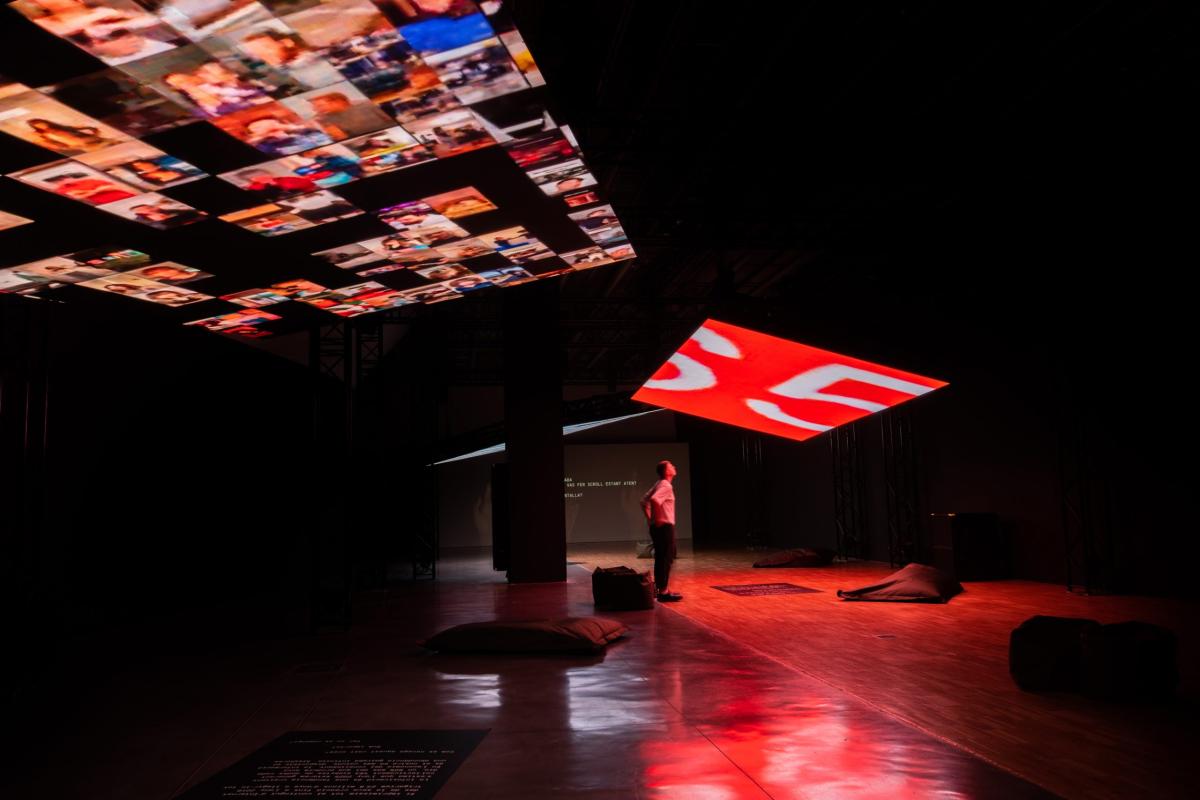
Figure 1. Data Heartbreak, Domestic Data Streamers, 2021.
Q2. 6월 ARKO 컨퍼런스의 주제는 "대전환: 우리는 보이지 않는 세계를 어떻게 감각하는가"였습니다. 제가 이해한 바로는, 당신의 답은 '채집(foraging)', 즉 흔적을 끈기 있게 모으는 일이었습니다. 스튜디오의 '홀리 핸드(Holy Hand)'는 이를 다섯 손가락 중 첫 번째로 두고 그 주장을 분명하게 밝힙니다. 정보를 어떻게 모으느냐가 무엇을 알 수 있는지를 결정한다고요. 이 문장을 하나의 구체적인 사례로 풀어주실 수 있을까요? 직접 고안한 수집 도구가 기성 데이터셋으로는 만들어낼 수 없는 종류의 지식을 만들어낸 프로젝트 말입니다.
Joana Bisbe | 아마 〈합성 기억(Synthetic Memories)〉이 가장 분명한 답일 것입니다. 2022년 내부 프로젝트로 시작했고, 이번 달 MoMA 소장품이 됩니다.
기존 아카이브만 들여다본다면, 누군가 한때 보존하기로 결정한 것만 알 수 있습니다. 역사책은 꼭 필요하지만, 대개 기록할 권력을 가졌던 이들의 관점, 즉 공식 기록과 지배적 서사와 눈에 보이는 사건을 통해 역사를 이야기합니다. 그 과정에서 사라지는 것은 개인의 차원입니다. 사람들이 어떻게 살았는지, 무엇을 두려워하고 사랑했는지, 집은 어떤 모습이었는지, 어떻게 놀았는지, 그리고 삶을 빚어낸 작은 몸짓들 말이죠.
그래서 우리는 우리만의 방법론을 만들었습니다. 한 사람과 몇 시간을 함께 앉아, 사진으로 남지 않은 기억을 다시 찾아가 보도록 초대합니다. 그들의 말은 모델에 입력되어 프롬프트가 되고, 생성된 이미지는 그 기억을 탐색하고, 묻고, 다듬는 수단이 됩니다. 그 사람이 이미지 속에서 무언가 진실한 것을 알아볼 때까지요. 모델은 붓일 뿐입니다.
그렇게 나온 결과물은 기존의 어떤 데이터셋도 담을 수 없는 것입니다. 세부에 더 깊이 주의를 기울여 만들어진, 다른 종류의 역사적 지식이죠. 헤어스타일이나 방, 그 안에서 누군가 서 있던 위치에 대한 수정 하나가 그 기억에서 무엇이 중요한지를 알려줍니다. 이미지는 과거가 정확히 어떻게 생겼는지에 대한 증거가 아닙니다. 기억의 주인이 자신의 이야기를 눈에 보이고 나눌 수 있는 것으로 만드는 방법입니다. 이런 개개인의 이야기가 나란히 놓일 때, 그것을 살아낸 사람들을 잃지 않으면서도 전 지구적인 이야기에 더 섬세한 결을 더할 수 있습니다.
현재 아카이브에는 11개국에서 모인 900개가 넘는 기억이 담겨 있습니다. 프롬프트, 이미지, 이야기, 그리고 그것을 만들어낸 대화의 감정적 흔적까지요. 역사책에는 결코 실리지 않을지도 모르는 현실들이지만, 이것들이 없다면 그 현실은 사라지고 맙니다.
Joana Bisbe | Synthetic Memories is probably our clearest answer. It started in 2022 as an internal project, and this month it enters MoMA’s collection.
If you only look at existing archives, you can only know what someone once decided to preserve. History books are essential, but they often tell history through the perspective of those who had the power to document it: the official records, the dominant narratives, the visible events. What gets lost is the scale of individuality: how people lived, what they feared, what they loved, what their homes looked like, what they did to play, or the small gestures that shaped their lives.
So we built our own methodology. We sit with someone for hours and invite them to revisit a memory that was never photographed. Their words are typed into the model, becoming prompts; the generated images become a way to explore, question and refine those memories until the person recognises something true in them. The model is just the brush.
What comes out is something no existing dataset can hold: a different kind of historical knowledge, created through deeper attention to detail. A correction about a hairstyle, a room or someone's position in it tells us what matters in that particular memory. The image is not proof of exactly how the past looked. It is a way for its owner to make their account visible and shareable. When these individual accounts sit alongside one another, they give a global story more granularity without losing the people who lived it.
Today the archive holds more than 900 memories from 11 countries: prompts, images, stories and the emotional traces of the conversations that created them. These are realities that might never appear in history books, but without them, they disappear.
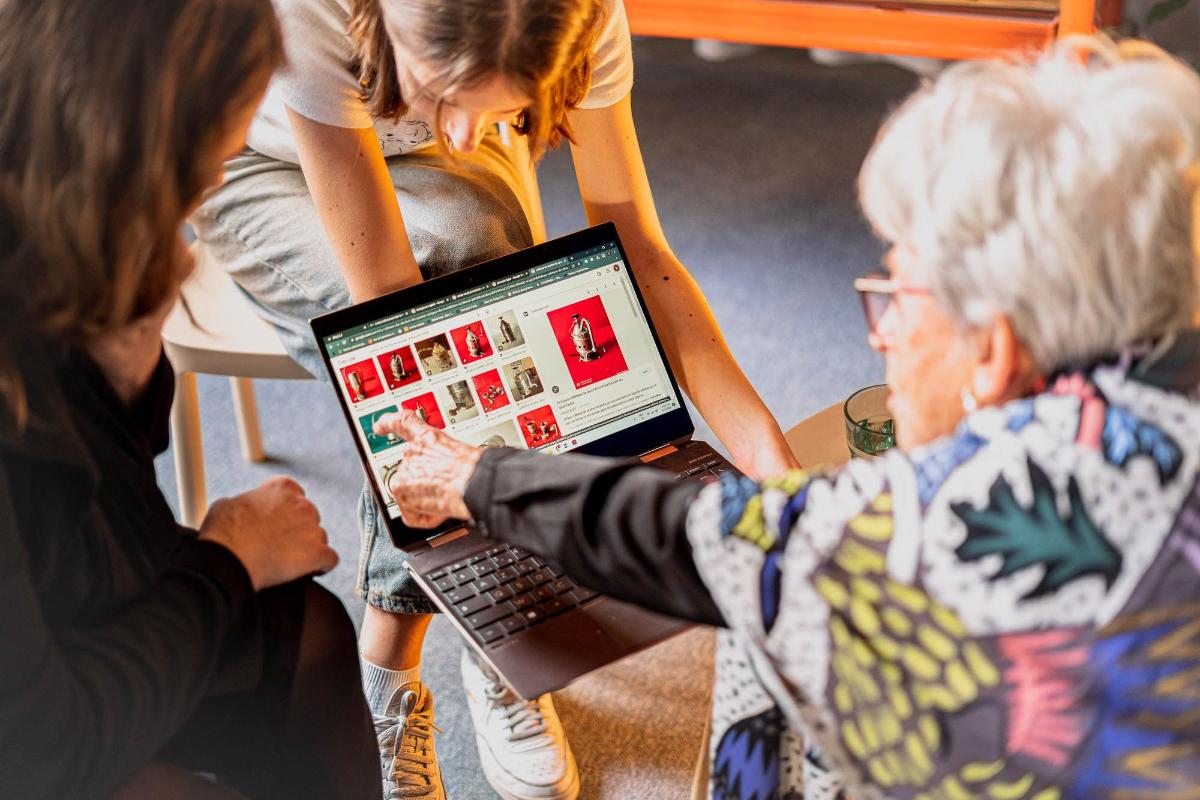
Figure 2. Synthetic memories, Domestic Data Streamers, 2022.
Q3. 6월 이후로 저희 팀의 마음에 남아 있는 두 가지 예시가 있습니다. 동상의 바랜 색을 수많은 손이 그것을 만졌다는 증거로 읽어낸 것, 그리고 잔디밭을 가로질러 닳은 길을 사람들이 실제로 다니는 경로의 기록으로 읽어낸 것. 둘 다 누구도 남기려 하지 않았는데 남은 흔적이고, 당신은 그것을 데이터로 읽어냅니다. 그런 시선은 타고나는 것이라기보다 배워서 얻는 것처럼 보입니다. 어떻게 그런 시선을 갖게 되셨나요? 그리고 계속 알아차리는 감각을 어떻게 유지하시나요?
Joana Bisbe | 이런 관찰력을 타고나는 사람도 있고, 그렇지 않은 사람도 있습니다. 그렇지만 이것은 분명 훈련할 수 있는 시선이고, 스튜디오에서 우리는 함께 그것을 연습합니다.
우리 대부분은 알아차리지 않도록 훈련받습니다. 학교와 직장은 예상된 하나의 정답을 찾도록 가르치고, 나머지는 모두 배경이 됩니다. 조르주 페렉(Georges Perec)은 그 배경을 '사소한 일상(infraordinary)'이라고 불렀습니다. 하지만 바로 그곳에 가장 정직한 데이터가 있습니다. 누구도 의도적으로 남기지 않았기 때문이죠. 미시간 주립대 학생들은 캠퍼스 계획에 투표하려고 잔디밭을 가로지른 것이 아니었지만, 그들이 남긴 흙길은 결국 보도가 되었습니다. 설문조사는 사람들이 무엇을 말하는지 알려줍니다. 흔적은 사람들이 무엇을 하는지 알려줍니다.
그래서 우리는 알아차림을 개인의 재능이 아니라 팀의 습관으로 만듭니다. 누군가 흔적을 발견하면 모두와 공유합니다. 닳은 동상. 흙길. 아버지가 세상을 떠난 지 10년 뒤 아들이 발견한, 오래된 엑스박스 게임 속에서 여전히 고스트 카로 달리고 있던 아버지의 주행 기록. 시간이 지나면서 그 모음이 우리에게 보는 법을 가르쳐줍니다.
또 우리는 모든 프로젝트를 시작하기 전과 진행하는 동안 작은 질문들을 계속 던집니다. 이것은 이미 어디에 흔적을 남겼을까? 이 데이터에서 누가 빠져 있을까? 사람들은 무엇을 돌려받고 싶어 할까? 같은 질문들이요. 단순한 질문은 대화와 관점을 열어줍니다. 복잡한 질문은 이미 믿고 있는 것을 지키는 쪽으로 기울곤 하죠.
그리고 우리는 세 번째 선택지, 즉 거부와 예상치 못한 길을 위한 여지를 남겨둡니다. 페렉이 썼듯이요. "당신의 찻숟가락에 질문하라."
Joana Bisbe | Some people are born with these observation skills, others are not. Nonetheless, it is definitely a gaze you can train, and in the studio we practise it together.
Most of us are trained out of noticing. School and work teach you to look for the expected, single answer, and everything else becomes background. Georges Perec called that background the infraordinary. Yet it holds some of the most honest data there is, because nobody left it on purpose. Students at Michigan State didn't cross the lawns to vote on a campus plan, but their dirt tracks eventually became the sidewalks. A survey tells you what people say. A trace tells you what they do.
So we make noticing a team habit rather than an individual gift. When one of us finds a trace, we share it with everyone. A worn statue. A dirt path. A father's lap still racing as a ghost car in an old Xbox game, found by his son ten years after his death. Over time, that collection teaches us how to look.
We also keep asking small questions before and during every project. Where has this already left a trace? Who is missing from this data? What would people want back? And so on. Simple questions open up conversations and perspectives. Complicated ones tend to protect what you already believe.
And we leave room for the third option, the refusal and the unexpected path. As Perec wrote: "Question your tea spoons."
Q4. 홀리 핸드에서 인상 깊었던 점은 윤리가 나중 단계로 미뤄지지 않고 수집 행위 자체에 내장되어 있다는 것이었습니다. 수집 전 동의, 기본값으로서의 익명성, 동의한 뒤에도 철회할 수 있는 권리, 그리고 어떤 것들은 아예 수집하지 않겠다는 결정까지요. 이것은 데이터가 관습적으로 수집되어 온 방식과 어떻게 다른가요? 윤리가 끝이 아니라 시작에 놓일 때 무엇이 달라지는지 독자들에게 구체적으로 전하고 싶습니다.
Joana Bisbe | 관습적인 논리는 많을수록 좋다고 말합니다. 언제 필요할지 모르니 전부 모으라고요. 우리는 그것이 항상 옳다고 생각하지 않습니다. 데이터베이스는 꽉 찬 냉장고와 비슷합니다. 재료가 있으면 좋은 생각이었든 아니든 언젠가는 누군가 그걸로 요리를 하게 됩니다. 그래서 끝에 가서 따지는 윤리는 대개 너무 늦습니다. 그때는 이미 데이터가 존재하고, 존재하는 데이터는 쓰이기를 원하니까요.
그래서 우리는 절제에서 시작합니다. 한 돌봄 기관과의 프로젝트에서 우리는 전문 돌봄 노동자들에게 이 분야에서 얼마나 오래 일했는지를 물었습니다. 나이나 출신지는 묻지 않았습니다. 우리가 원한 것은 그들의 경험과 주제에 대한 의견이었지, 그들의 신상 전체가 아니었으니까요.
그 선택은 하나의 문을 닫았습니다. 나중에 누구도 "외국인 돌봄 노동자들은 이렇게 생각한다"거나 "나이 든 돌봄 노동자들은 저렇게 생각한다"는 차트를 발표할 수 없었습니다. 그것을 만들 데이터 자체가 존재하지 않았으니까요. 사람들을 그들이 누구인지가 아니라 무엇을 아는지에 따라 묶으면, 다른 대화가 열리고 이미 존재하는 편견을 키우는 일을 피할 수 있습니다.
실제로 시작 단계의 윤리는 이런 모습일 수 있습니다. 수집 전 동의, 이야기가 그것을 들려주는 사람에게 해가 될 수 있을 때는 기본값으로서의 익명성, '예'라고 답한 뒤에도 철회할 수 있는 권리, 더 이상 필요 없는 것은 삭제하기, 그리고 어떤 것들은 결코 수집하지 않겠다고 결정하기.
그리고 그 배려는 공유하는 단계에서도 이어집니다. 어떤 데이터를 가지고 있다고 해서 그것을 공개해야 할 의무가 생기는 것은 아닙니다.
Joana Bisbe | The conventional logic says more is better: collect everything, because you never know. We don't think that is always true. A database behaves a bit like a full fridge. If the ingredients are there, sooner or later somebody cooks something with them, whether or not it was a good idea. That is why ethics at the end are usually too late. By then the data exists, and data that exists wants to be used.
So we start with restraint. For a project with a care organisation, we asked professional caregivers how long they had worked in the sector. We did not ask their age or where they came from. We wanted their experience and their opinion on the topic, not their entire profile.
That choice closed a door. Nobody could later publish a chart saying "foreign caregivers think this" or "older caregivers think that", because the data to build it never existed. Grouping people by what they know, instead of who they are, opens a different conversation and avoids feeding prejudices that are already there.
In practice, ethics at the beginning can look like this: consent before capture, anonymity by default when a story could harm the person telling it, the right to withdraw even after saying yes, deleting what we no longer need, and deciding that some things should never be collected at all.
And the care continues when we share. Having a piece of data doesn't oblige us to publish it.
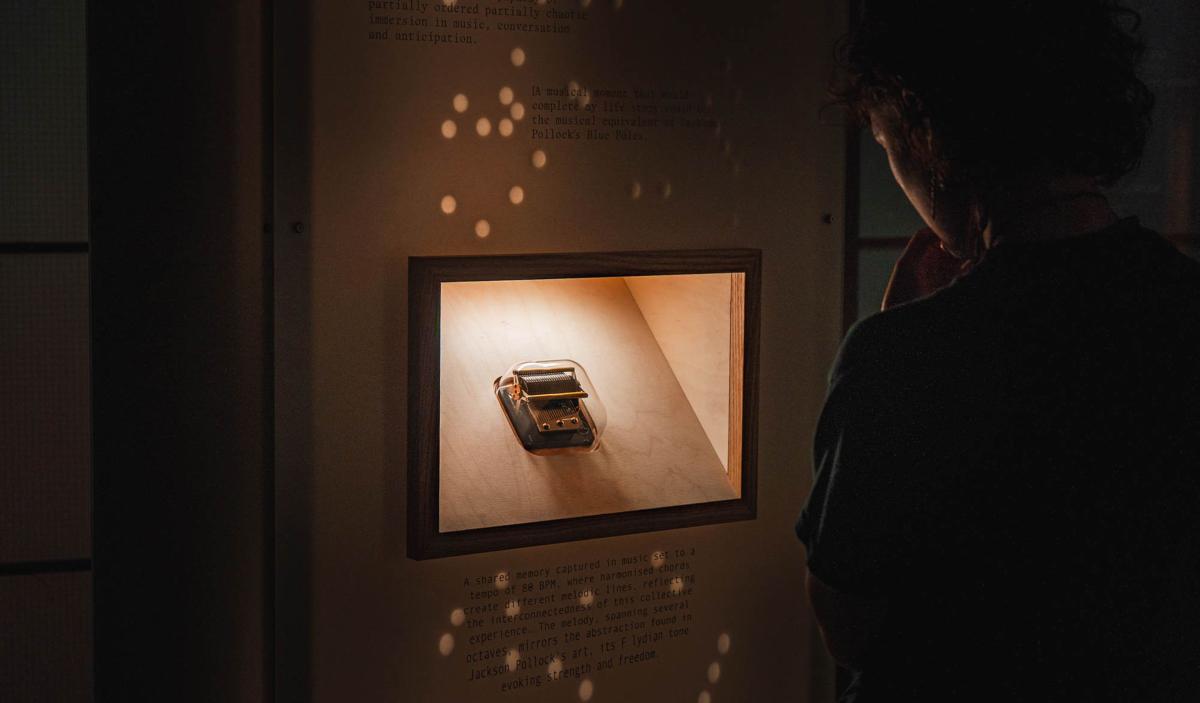
Figure 3. Forever Frequencies, Domestic Data Streamers, 2025. Commissioned by the Barbican Centre, London, for the exhibition Feel the Sound.
Q5. 6월에 당신은 데이터를 모으는 일이 가져가는 행위일 뿐 아니라 돌려주는 행위이기도 하다고 말씀하셨습니다. 실제로 그 돌려줌은 무엇으로 이루어지나요? 독자들이 떠올릴 수 있는 구체적인 예를 들어주시면 좋겠습니다.
Joana Bisbe | 우리에게 데이터 채집은 언제나 교환입니다. 추출적인 독백이 아니라 대화죠. 사람들이 시간과 이야기를 내어준다면, 무언가가 그들에게 돌아가야 합니다. 그게 무엇인지는 프로젝트마다 달라집니다.
때로는 그들이 나눠준 것의 개별적인 결과물을 돌려줍니다. 〈합성 기억〉에서 한 사람은 우리에게 한 시간과 하나의 기억을 내어주고, 한 번도 사진으로 남지 않았던 순간의 이미지를 인쇄본으로 받아 갑니다. 바비칸(Barbican)에서 〈포에버 프리퀀시스(Forever Frequencies)〉를 찾은 관람객들은 자신의 첫 음악적 기억을 나눠주었고, 우리는 노래 한 곡을 돌려주었습니다.
때로는 전체 결과를 돌려줍니다. 비피터(Beefeater)의 〈I Stand For〉에서는 BBK 라이브와 매드 쿨 페스티벌 관객 2만 3천 명이 우리 웹앱으로만 응답했습니다. 비피터는 80쪽 분량의 보고서를 받았고, 관객들은 자신들이 들려준 것을 탐색해볼 수 있는 공개 웹사이트 〈We know you better than your mother(우리는 당신 엄마보다 당신을 더 잘 안다)〉를 받았습니다.
그리고 때로는 도구를 돌려줍니다. 레이다(Lleida)의 아르나우 데 빌라노바 병원(Arnau de Vilanova Hospital)에서는 대기실에 여러 감정을 나타내는 피규어와 함께 화이트보드를 두어, 종양 환자들이 소통할 수 있도록 했습니다.
이것이 모든 프로젝트를 마칠 때 우리가 던지는 질문입니다. 이 교환은 우리에게만이 아니라, 우리에게 이야기를 믿고 맡겨준 사람들에게도 의미 있는 무언가를 만들어냈는가?
Joana Bisbe | For us, data foraging is always an exchange. A dialogue, not an extractivist monologue. If people give you their time and their stories, something should come back to them. What that is changes with every project.
Sometimes we give back the individual outcome of what they shared. In Synthetic Memories, a person gives us an hour and a memory, and leaves with a printed image of a moment that was never photographed. At the Barbican, visitors to Forever Frequencies shared their first musical memory and we gave back a song.
Sometimes we give back the overall results. For Beefeater's I Stand For, 23,000 festivalgoers at BBK Live and Mad Cool answered on our web app alone. Beefeater received an 80-page report, and the audience got a public website, "We know you better than your mother", to explore what they had told us.
And sometimes we give back a tool. At Arnau de Vilanova Hospital in Lleida, we placed a whiteboard in the waiting room with figurines that represented different emotions, for oncology patients to communicate.
That is our question at the end of every project: has this exchange created something meaningful, not only for us, but for the people who trusted us with their stories?
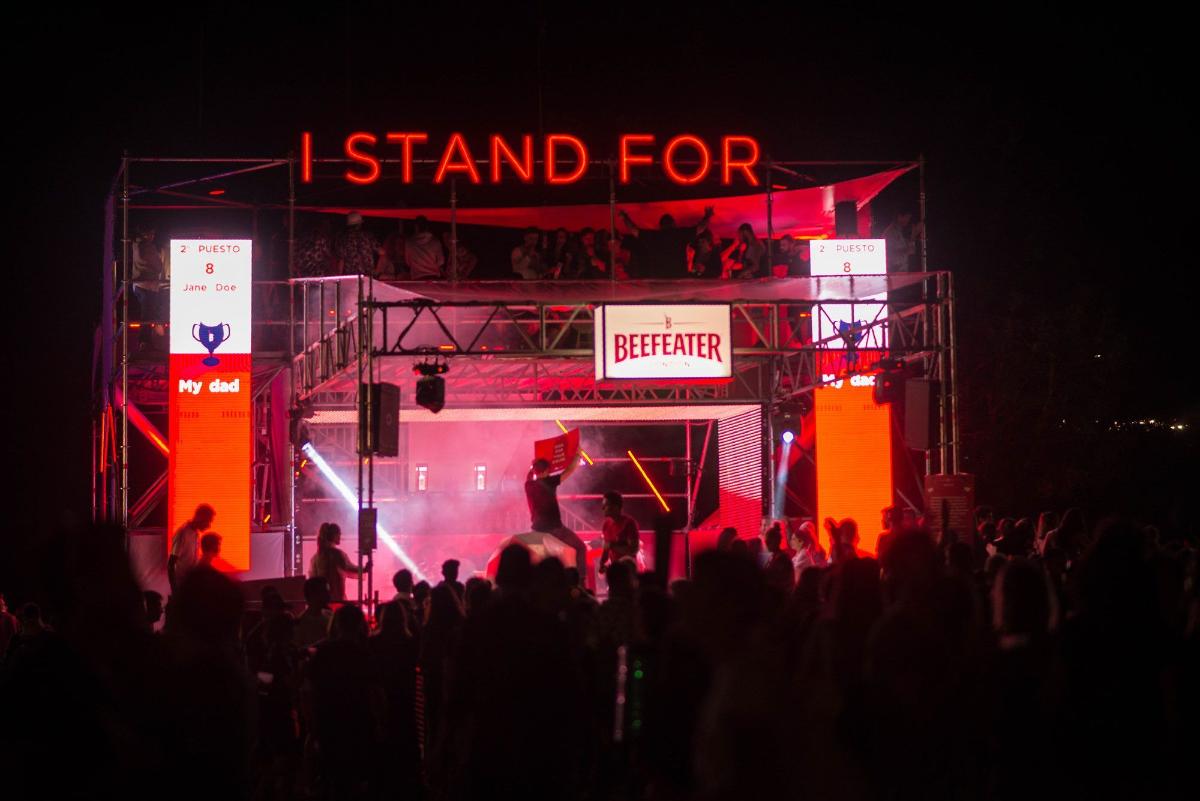
Figure 4. I Stand For, Domestic Data Streamers for Beefeater, 2017.
Q6. 〈합성 기억〉의 기원은 2015년 아테네에서 칠십 대의 한 시리아 여성과 만난 일로 거슬러 올라갑니다. 그의 가족은 피란길에 사진 앨범을 잃어버렸습니다. 이번 달 이 작업은 MoMA의 《Full Disclosure》에서 선보이며 미술관 소장품이 됩니다. 많은 독자에게는 이 프로젝트를 처음 만나는 자리일 것입니다. 당신의 말로 직접 소개해주실 수 있을까요? 어떻게 작동하는지, 누구와 함께 만들었는지, 그리고 이 작업을 만난 사람이 무엇을 가져가길 바라는지요.
Joana Bisbe | AI에 대한 이야기는 대부분 파멸 아니면 구원입니다. 〈합성 기억〉은 그보다 작은 질문에서 시작했습니다. 이 기술을 속도가 아니라 돌봄을 위해 쓸 수 있을까?
2015년 그리스에서, 한 시리아 할머니가 우리에게 자신의 진짜 두려움을 이야기해주었습니다. 난민 캠프가 아니었습니다. 손주들이 자신들을 그들답게 만들어준 거리와 부엌을 모른 채, 붙잡을 사진 한 장 없이 자라게 되리라는 사실이었죠. 7년 뒤 이미지 생성 모델이 등장했고, 우리는 거기서 생산성과는 아무 관계없는 쓰임새를 보았습니다.
〈합성 기억〉의 과정은 한 시간 정도 걸립니다. 한 사람이 기억을 묘사합니다. 프롬프터가 그것을, 지역의 오픈소스 아카이브로 우리가 파인튜닝한 모델을 위한 지시문으로 옮깁니다. 그 사람은 이미지가 맞다고 느껴질 때까지 몇 번이고 이미지를 조정합니다. 인쇄본은 본인이 가져갑니다. 우리는 언제든 철회할 수 있는 동의를 받아 익명화된 사본을 공개 아카이브에 보관합니다.
이미지는 의도적으로 흐릿합니다. 기억은 기록이 아니라 재구성이고, 선명한 극사실적 이미지는 오히려 정확하지 않을 것이기 때문입니다.
누구와 함께 만들었냐고요? 바르셀로나 요양원의 노인들. 상파울루의 이주민 가족들. 비아 라이에타나(Via Laietana)의 고문 생존자들. 발파라이소의 노년 주민들. 런던에서 초기 치매와 함께 살아가는 에드워드. 400명이 넘는 사람들이 각자 자기 이미지의 저자입니다.
그 기억들 가운데 아홉 점이 이제 MoMA에서 포렌식 아키텍처(Forensic Architecture), 케이트 크로퍼드(Kate Crawford)의 작업 옆에 걸려 있습니다. 이런 일이 일어났다는 게 놀라울 따름입니다.
가져가셨으면 하는 것은 이것입니다. AI가 꼭 더 많이 하는 것에 관한 것일 필요는 없습니다. 잃지 않는 것에 관한 것일 수도 있습니다.
Joana Bisbe | Most of what's said about AI is either doom or salvation. Synthetic Memories started from a smaller question: can this technology be used for care instead of speed?
In 2015, in Greece, a Syrian grandmother told us her real fear. Not the camp. The fact that her grandchildren would grow up without the streets and kitchens that made them who they were, and without a single photograph to hold onto. Seven years later, image models arrived, and we saw a use for them that had nothing to do with productivity.
The process of Synthetic Memories takes about an hour. A person describes a memory. A prompter translates it into instructions for a model we fine-tune with local open-source archives. The person adjusts the image, again and again, until it feels right. They keep a print. We keep an anonymous copy in a public archive, with consent that can be withdrawn at any time.
The images are blurry on purpose. Memory is reconstructive, not a recording, and a sharp photorealistic image would not be accurate.
Who has it been made with? Older people in Barcelona care homes. Migrant families in São Paulo. Torture survivors from Via Laietana. Older residents of Valparaíso. Edward in London, living with early dementia. Over 400 people, each one the author of their own image.
Nine of those memories now hang at MoMA next to Forensic Architecture and Kate Crawford. I'm amazed this happened.
What I'd like you to take away: AI doesn't have to be about doing more. It can be about not losing.
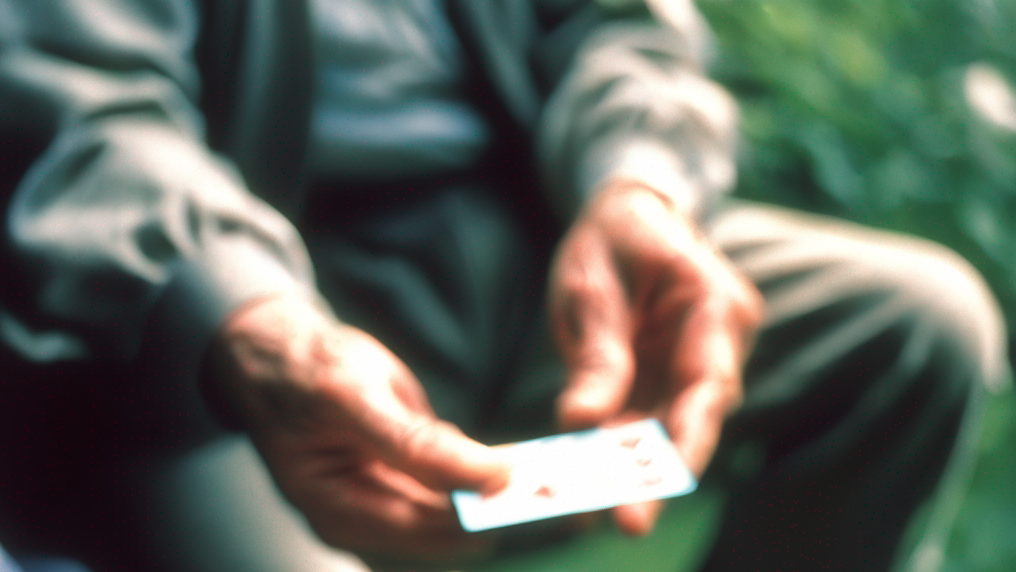
Figure 5-1. "I remember when my great-grandfather showed me the 'Jass' deck of cards for the first time", Anne Mai, Bern, Switzerland, 1997. From Synthetic Memories, Domestic Data Streamers.
“증조할아버지가 처음으로 야스(Jass) 카드를 보여주던 때를 기억한다.” Anne Mai는 증조할아버지가 스위스에서 즐겨 하는 카드 게임 야스(Jass)에 쓰이는 카드를 처음 보여주던 때를 기억한다. 그녀가 어린 소녀였던 어느 화창한 여름날, 베른 근처 가족 집의 정원에서였다. 그때 처음 본 카드는 카드 게임에 대한 큰 열정을 깨웠다. 지금도 그녀는 증조할아버지를 자신의 행운의 별로 여긴다.
great-grandfather introduced her to the cards with which Jass -a popular game in Switzerland- is played. It was on a sunny summer day in the garden of his family house near Bern when she was a little girl. That was the first time she would see those cards, awakening a great passion for card games. Still today, she thinks of her great-grandfather as her lucky star.
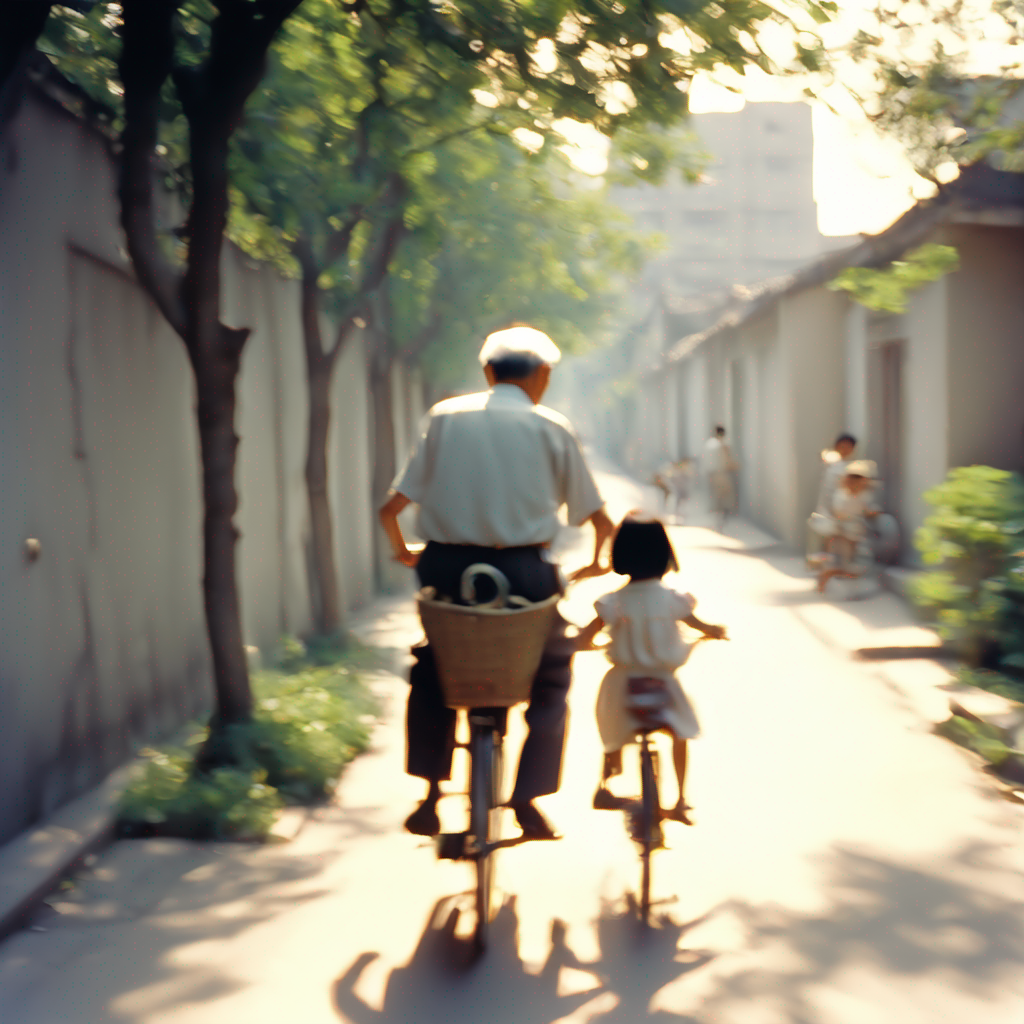
Figure 5-2. "I remember the bike rides with my grandfather", Seibun, Jiangsu province, China, 1999. From Synthetic Memories, Domestic Data Streamers.
“할아버지와 함께 자전거를 타던 때를 기억한다.” Seibun은 할아버지가 고향 거리에서 자전거 뒤에 자신을 태워주던 때를 기억한다. 그녀는 자전거 뒤쪽 철판 위에 앉아 떨어지지 않도록 뒤에서 할아버지를 꼭 껴안곤 했다. 꽤 불편했지만 그 시간을 정말 좋아했다. 특히 한쪽에 어린 무화과나무가 늘어선 좁은 골목을 지나던 때를 기억한다. 건축가였던 할아버지는 그녀에게 그림에 대한 열정을 심어주었고, 이는 훗날 Seibun이 예술 분야의 길을 걷는 데 영향을 주었다.
Seibun remembers when her grandfather used to carry her at the back of his bike on the streets of their hometown. She would sit on the metal plate at the back of his bike, and hug him from behind to avoid falling. Although it was quite uncomfortable, she really enjoyed the rides. She especially recalls the ones through a narrow street, with young fig trees on one of the sides. Her grandfather, who was an architect, infused in her the passion for drawing, which later influenced Seibun to pursue a career in the arts industry.
Q7. 스튜디오는 DALL·E 2, 스테이블 디퓨전(Stable Diffusion)처럼 결과물이 부드럽고 불완전한 모델로 작업해 왔습니다. 그런 질감이 기억이 실제로 작동하는 방식과 닮았기 때문이죠. 파우는 글리치를 결함이 아니라 특징이라고 설명하기도 했습니다. 대체로 충실도로 진보를 측정하는 분야에서, 이는 드물고 숙고된 선택으로 보입니다. 불완전함이 기억에 무엇을 해주는지, 그리고 이 작업을 위한 도구를 어떻게 고르는지 조금 더 들려주시겠어요?
Joana Bisbe | AI 업계 대부분은 진보를 충실도로 측정합니다. 더 큰 모델, 더 많은 픽셀, 더 높은 사실감. 하지만 기억에 있어서 목표는 사실감이 아니라 알아봄이라고 생각합니다.
DALL·E 2나 초기 스테이블 디퓨전 같은 모델의 부드러움은 이미지에 꿈같은 질감을 줍니다. 이미지가 흐릿하면 사람들은 세부를 따지기를 멈추고 그 순간의 감정과 연결됩니다. 초기에 우리는 참여자들이 선명한 이미지보다 덜 세밀한 이미지에 더 깊이 연결된다는 것을 알게 되었습니다.
현실적인 이유도 있습니다. 이 모델들은 누군가의 가족 앨범으로 학습된 적이 없습니다. 당신 할머니의 부엌을 모르죠. 아주 선명한 이미지는 거의 틀림없이 무언가를 잘못 그리게 되고, 정밀할수록 그 틀린 디테일은 더 거슬립니다. 흐릿한 이미지는 빈틈을 남기고, 사람들은 그 빈틈을 자신의 기억으로 채웁니다. 이미지는 기억과 경쟁하기를 멈추고 기억을 받쳐주기 시작합니다.
그리고 정직함의 문제가 있습니다. 파우의 말처럼 기억은 매우 연약하고 불완전함으로 가득하며, "우리는 과거를 재구성하고 있는 것이 아닙니다." 사실적인 이미지는 기록물로 오인될 수 있습니다. 꿈같은 이미지는 자신이 무엇인지 분명히 말합니다. 기억이라고요.
그래서 우리는 가장 새롭거나 가장 선명한 모델을 기본으로 고르지 않습니다. 우리 앞에 있는 사람에게 충분한 여지를 남겨주는 모델이 무엇인지를 묻습니다. 때로는 일부러 오래된 모델을 쓴다는 뜻이고, 점점 더 우리만의 도구를 만든다는 뜻이기도 합니다. 충실도에 집착하는 분야에서, 그것이 우리의 작은 저항입니다.
Joana Bisbe | Most of the AI industry measures progress in fidelity: bigger models, more pixels, more realism. For memory, we think the goal is recognition, not realism.
The softness of models like DALL·E 2 and early Stable Diffusion gives the images a dreamlike quality. When an image is blurry, people stop checking details and connect with the feeling of the moment. Early on we noticed that participants connected more with less detailed images than with sharp ones.
There is also a practical reason. These models were never trained on anyone's family album. They don't know your grandmother's kitchen. A very sharp image will almost certainly get something wrong, and the more precise it is, the more that wrong detail bothers you. A blurry image leaves gaps, and people fill them with their own memory. The image stops competing with the memory and starts supporting it.
And there is honesty. As Pau puts it, memory is very fragile and full of imperfections, and "we are not reconstructing the past." A realistic image could be mistaken for a document. A dreamlike one says clearly what it is: a memory.
So we don't choose the newest or sharpest model by default. We ask which one leaves enough room for the person in front of us. Sometimes that means using an older model on purpose, and, more and more, building our own tools. In a field obsessed with fidelity, that is our small act of resistance.
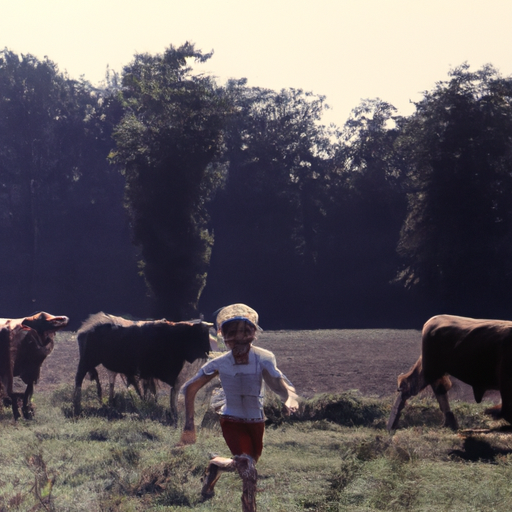
Figure 6. "I remember running away among cows and bulls", Stefan, Flanders, Belgium, 1987. From Synthetic Memories, Domestic Data Streamers.
“소와 황소들 사이에서 도망치던 때를 기억한다.” 집 근처에는 소와 황소들이 늘 풀을 뜯던 들판이 있었다. 어느 여름날, Stefan은 가까이서 보려고 울타리 밑으로 기어 들어갔다. 그러다 한 마리가 고개를 들더니 그를 향해 달려오기 시작했다. 그는 달아나 울타리 밑으로 허겁지겁 빠져나왔고, 등을 심하게 긁혔다. 다행히 황소에게 잡히지는 않았다.
Q8. 바르셀로나의 '합성 기억 시민 사무소(Citizens' Office of Synthetic Memories)'에서는 청년들이 노년 시민들의 기억을 위한 인터뷰어이자 프롬프터로 훈련받아, 재구성이 두 세대가 함께하는 일이 되었습니다. 에이프캠프에는 자신의 작업이 자기 분야 너머의 사람들에게 닿기를 바라는 젊은 예술가, 프로듀서, 엔지니어가 모입니다. 그 세대 간 구조는 사람들이 진정으로 들어올 수 있는 프로젝트를 만드는 일에 대해 무엇을 가르쳐주었나요? 그리고 같은 시도를 하는 창작자들에게 무엇을 전하고 싶으신가요?
Joana Bisbe | 참여형을 자처하는 작업 중 상당수는 버튼 하나 달린 퍼포먼스입니다. 사람들은 무언가를 누르고, 불빛이 바뀌고, 집에 갑니다. 그 자리에 있긴 했지만, 참여한 것은 아니죠.
2024년 디세뇨 허브 바르셀로나(Disseny Hub Barcelona)에서 열린 '합성 기억 시민 사무소'에서는 인터뷰어이자 프롬프터로 훈련받은 청년들이 노년 시민들과 마주 앉았습니다. 한 시간 남짓 그들은 함께 무언가를 만들어야 했고, 어느 쪽도 혼자서는 할 수 없었습니다. 노인은 기억을 쥐고 있었고, 청년은 도구를 쥐고 있었습니다. 결과물은 둘이 서로에게 진심으로 귀 기울일 때만 존재할 수 있었습니다.
그 구조는 우리가 미리 짤 수 없었던 일을 해냈습니다. 많은 노인에게 멀게 느껴지던 AI가, 손주뻘이면서 자신의 삶을 궁금해하는 누군가가 다루는 것이 되자 다가갈 만한 것이 되었습니다. 그리고 청년들에게 역사는 하나의 과목이 아니라 테이블 건너편의 한 사람이 되었습니다.
에이프캠프 창작자들에게 전하고 싶은 것은 이렇습니다.
관객이 아니라 역할을 설계하세요. 참여자가 있든 없든 똑같이 작동하는 프로젝트라면, 그것은 참여형이 아닙니다.
기술을 주인공이 아니라 계기로 만들어보세요. 사람들은 모델이 아니라 대화를 기억합니다.
듣는 법을 훈련하세요. 부드럽고 섬세하며 열린 질문, 그리고 기다릴 줄 아는 인내는 최종 이미지에는 보이지 않지만, 그게 전부입니다.
시간을 남겨두세요. 시민 사무소에서 경험과 결과를 바꾼 것은 5분이 아니라 한 시간을 주었다는 사실이었습니다.
Joana Bisbe | A lot of work that calls itself participatory is a performance with a button. People press something, a light changes, and they go home. They were present, but they didn't take part.
At the Citizens' Office of Synthetic Memories, at Disseny Hub Barcelona in 2024, young people trained as interviewers and prompters sat down with older citizens. For about an hour they had to build something together, and neither could do it alone. The older person held the memory. The younger person held the tool. The result only existed if they really listened to each other.
That structure did something we could not have scripted. AI, which feels distant to many older people, became approachable, operated by someone their grandchildren's age who was curious about their life. And for the young people, history stopped being a subject and became a person across the table.
What we would pass on to APE CAMP creators:
Design roles, not audiences. If your project works the same with or without the participant, it is not participatory.
Try to make the technology the excuse, not the protagonist. People remember the conversation, not the model.
Train for listening. Gentle, sensitive, open questions and the patience to wait are invisible in the final image, and they are everything.
Leave time. What changed the experience and the results at the Office was that we gave it an hour, not five minutes.
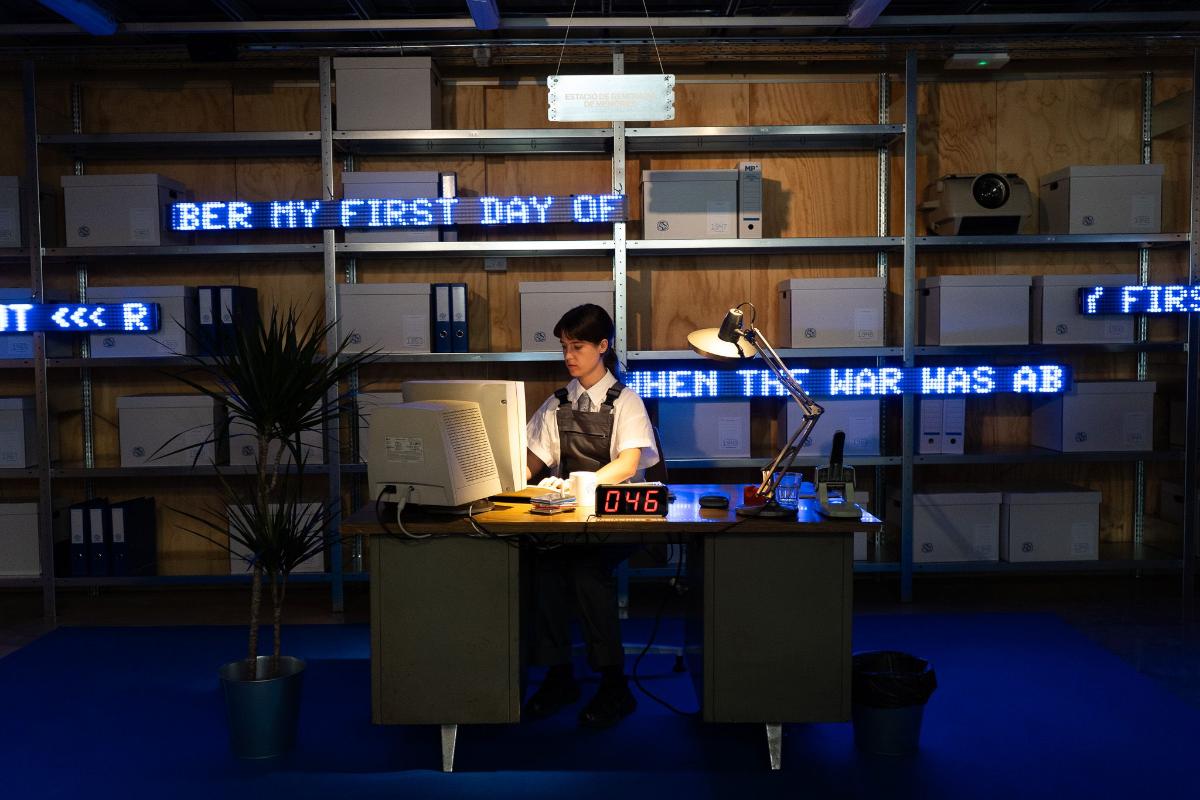
Figure 7. The Citizen's Office of Synthetic Memories, Domestic Data Streamers, Disseny Hub Barcelona (DHub), Barcelona, Spain, 2024.
Q9. 당신의 역할은 캠페인, 전시, 인터랙티브 경험을 아우르며 내러티브와 디자인을 넘나듭니다. 새 프로젝트에서 당신의 작업은 어디서 시작되나요? 그리고 이후의 모든 것을 결정짓는 첫 번째 결정은 무엇인가요?
Joana Bisbe | 프로젝트마다 각자의 과정이 있지만, 우리의 첫 질문은 늘 같습니다. 우리는 정말로 무엇을 요청받고 있는가?
브리프는 하나의 가설입니다. 클라이언트가 필요하다고 믿는 것을 적은 것이죠. 우리는 그것을 진지하게 받아들이고, 그다음 질문을 던집니다. 그래서 우리가 가장 먼저 쓰는 것 중 하나가 '카운터 브리프'입니다. 이 프로젝트가 조금 더 나아간다면 무엇이 될 수 있을지, 더 흥미롭고 더 기억할 만한 무엇이 될 수 있을지를 적는 것이죠.
모든 프로젝트에는 각자의 과정이 있지만, 그 모두는 우리의 다섯 가지 원칙인 홀리 핸드에서 시작합니다. 알맞은 재료를 채집하고, 그것을 요리해 통찰로 만들고, 호기심을 불러일으키는 접시에 담아내고, 테이블에 둘러앉아 나누고, 그것을 행동으로 옮기는 것. 제안서를 쓰기 전에 우리는 각 손가락이 어떻게 적용될지 묻습니다. 또 스스로에게 몇 가지 단순한 질문을 던집니다. 우리는 실제로 무엇을 이해하고 싶은가? 그 지식은 누가 가지고 있는가? 이 이야기에서 누가 빠져 있는가? 사람들이 떠난 뒤에는 무엇이 달라져야 하는가?
그다음에 프로젝트의 전개가 이어집니다. 내러티브와 비주얼, 그리고 그 모든 것이 어떤 형태를 갖출지에 대한 구체화까지요.
그러니까 작업은 속도를 늦추는 데서 시작합니다. 무엇이든 디자인하기 전에, 어떻게 주의를 기울일지부터 정합니다.
Joana Bisbe | Each project has its own process, but our first question is always the same: what are we really being asked?
A brief is a hypothesis. It describes what a client believes they need. We take it seriously, and then we question it. That is why one of the first things we often write is a counter-brief: what the project could be if it went a little further, something more exciting and more worth remembering.
Every project has its own process, but all of them start with the Holy Hand, our five principles. Forage the right ingredients, cook them into insight, serve them on a plate that sparks curiosity, share them around a table, and turn them into action. Before writing a proposal, we ask how each finger applies. We also ask ourselves a few simple questions, such as: What do we actually want to understand? Who holds that knowledge? Who is missing from this story? What should be different after people leave?
Then comes the development of the project: the narrative, the visuals, and the formalisation of how it all takes shape.
So the work begins by slowing down. Before we design anything, we decide how to pay attention.
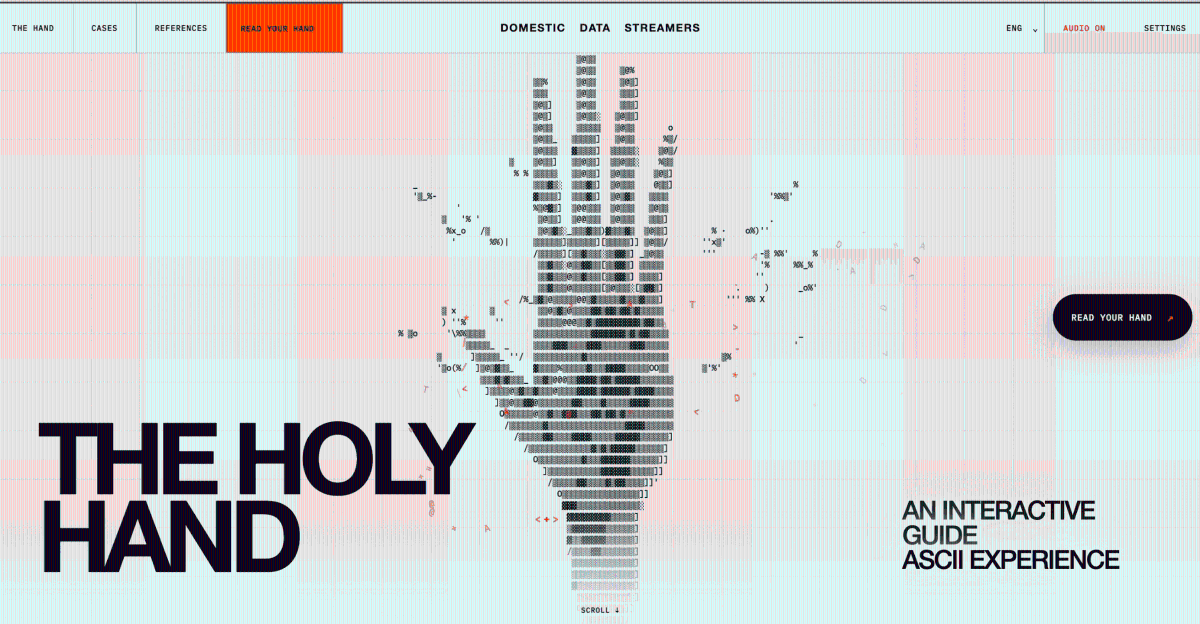
Figure 8. Holy Hand website, Domestic Data Streamers, 2026 (https://holyhand.domesticstreamers.com/).
Q10. 당신은 디자이너가 비판적이고 분별 있는 시선으로 과제를 마주하고, 새로운 관점에서 현실에 접근하며, 언제나 공감에 이끌려야 한다고 쓴 바 있습니다. 스튜디오의 작업에서 그 원칙이 선언에 그치지 않고 실제로 관철되는 것을 보아 왔습니다. 프로젝트 안에서 공감은 실제로 어떤 모습으로 구현되나요? 어느 단계에서 작동하며, 결과물의 무엇을 바꾸나요?
Joana Bisbe | 모든 모서리를 둥글게 깎고 어려운 질문은 하나도 던지지 않는 것으로 이해되는 공감이 있습니다. 친절하게 느껴지지만, 대개는 문제를 피하는 것일 뿐이죠. 우리가 중요하게 여기는 공감은 그보다 더 많은 것을 요구합니다.
그것은 과정 안에서, 팀 내부에서, 서로에게 귀 기울이는 방식에서 시작합니다. 그다음에는 우리가 질문 하나하나를 쓰는 방식, 무엇을 묻고 무엇을 묻지 않을지 고르는 방식을 빚어냅니다. 대부분은 듣는 일이고, 사람들에게 일방적으로 말하기보다 너그럽게 그들을 초대하는 일입니다.
하지만 공감은 맥락을 이해했기 때문에 언제 밀어붙여야 하는지 아는 것이기도 합니다. ÚS 페스티벌 기간 바르셀로나의 옛 교도소 라 모델(La Model)에서 선보인 〈안티고나(Antigona)〉는 관람객에게, 법은 명확한 답을 갖고 있지만 사람들은 종종 그렇지 않은 도덕적 딜레마를 물었습니다. 가족이 중대한 범죄를 저질렀다면 신고하겠는가? 무고한 한 사람을 감옥에 보내겠는가, 유죄인 열 사람을 풀어주겠는가? 관람객은 돌 하나를 어느 한쪽에 올려놓는 방식으로 답했습니다. 일부러 어렵게 만든 것이죠.
그런데 사람들은 우리가 계획하지 않은 일을 했습니다. 어떤 이들은 돌을 정확히 가운데에 놓았습니다. 디지털 토글이었다면 결코 허용하지 않았을 일입니다. 물리적인 사물은 그것을 허용했고, 그 답들은 어떤 깔끔한 예/아니오보다 더 많은 것을 말해주었습니다.
바로 그 지점에서 공감은 결과를 바꿉니다. 공감은 답의 형태에, 그리고 당신의 인터페이스가 사람들이 주어진 범주를 거부할 수 있게 해주는지에 깃들어 있습니다. 친근한 인터페이스란 가장 예쁜 버튼을 가진 인터페이스가 아닙니다. 정직한 답이 "모르겠다"일 때조차 사람들이 정직할 수 있게 해주는 인터페이스입니다.
Joana Bisbe | There is a version of empathy understood as something that rounds every corner and never asks anything difficult. It feels kind, but often it just avoids the problem. The empathy we care about, however, is more demanding.
It starts in the process, inside the team, in how we listen to each other. Then it shapes how we write every question and what we choose to ask and not to ask. Mostly it is about listening, and being generous and inviting people in instead of only talking at them.
But empathy also means knowing when to push, because you have understood the context. Antigona, shown at La Model, Barcelona's former prison, during the ÚS festival, asked visitors moral dilemmas where the law has a clear answer and people often don't. Would you report a family member for a serious crime? Would you rather jail one innocent person or let ten guilty people go free? You answered by placing a stone on one side or the other. Hard on purpose.
Then people did something we hadn't planned. Some placed it right in the middle. A digital toggle would never allow that. A physical object did, and those answers told us more than any clean yes or no.
That is where empathy changes the outcome. It lives in the shape of the answer, in whether your interface lets people refuse the categories you gave them. A friendly interface is not the one with the prettiest buttons. It is the one that lets people be honest, even when the honest answer is "I don't know."
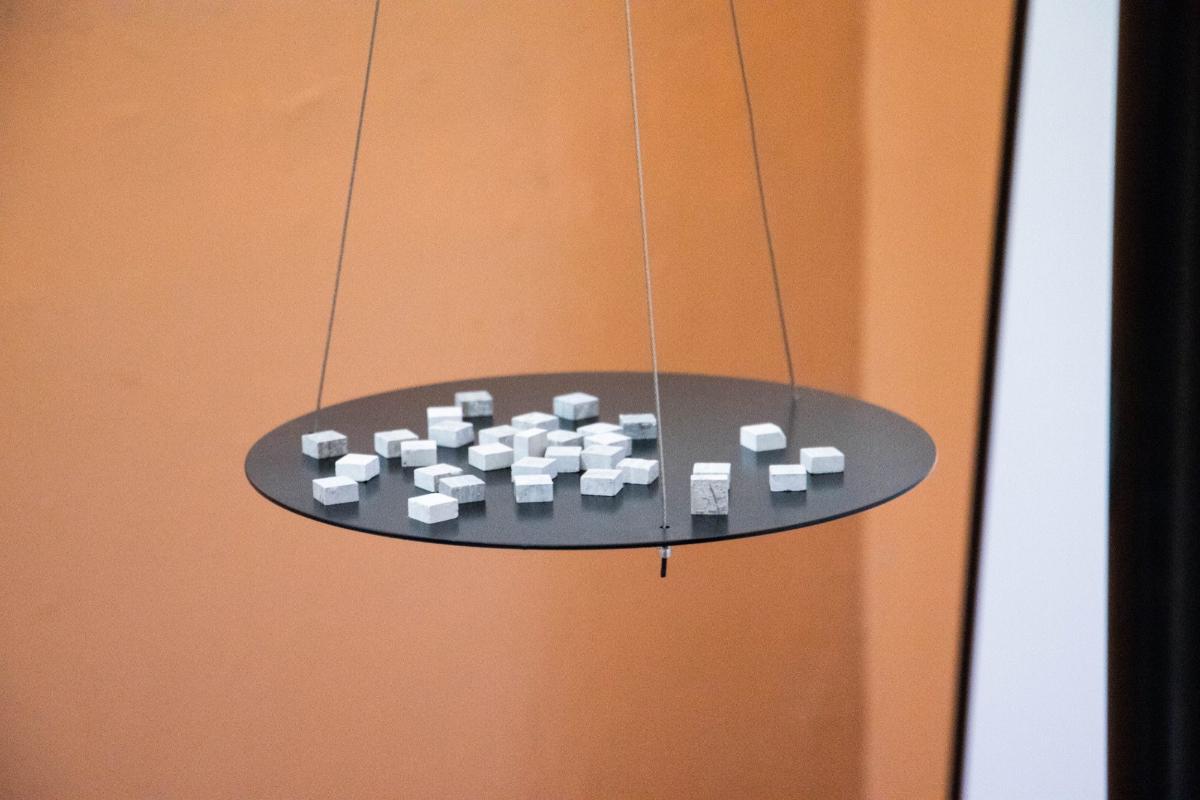
Figure 9. Antígona, Domestic Data Streamers, 2022.
Q11. 도메스틱 데이터 스트리머스는 디자이너, 엔지니어, 저널리스트, 건축가, 미술사학자, 심리학자 등 약 30명으로 이루어진 팀으로, 10년 넘게 진정한 의미의 학제 간 작업을 이어 왔습니다. 에이프캠프 역시 예술가, 프로듀서, 엔지니어를 4일 동안 집중적으로 협업하도록 한자리에 모읍니다. 스튜디오는 그 섞임을 어떻게 소화해 왔나요? 이토록 다른 훈련을 받은 사람들이 여러 개의 것을 나란히 만드는 대신 하나의 것을 함께 만들 수 있게 하는 것은 무엇인가요?
Joana Bisbe | DDS는 이런 섞임과 함께 태어났기 때문에, 소화했다기보다는 굳이 버릴 필요가 없었던 것에 가깝습니다. 그걸 살아 있게 하는 몇 가지가 있습니다.
호기심이 먼저입니다. 이곳에 오래 머무는 사람들은 모든 것을 알지 못하는 상태를 즐기고, 다른 누군가라면 그 문제에 어떻게 접근할지 듣기를 좋아합니다. 양쪽 모두 정말로 이해하고 싶어 한다면, 심리학자에게 기술적 한계를 설명할 수도 있고 엔지니어에게 리서치 방법론을 설명할 수도 있습니다.
프로젝트를 중심으로 스스로를 조직하는 방식도 이를 돕습니다. 우리는 처음부터 학제 간 팀을 꾸리기 때문에, 아이디어가 한 전문가에게서 다른 전문가에게로 별개의 단계처럼 넘겨지지 않습니다. 끊임없는 대화 속에서 함께 발전되고, 그 과정에서 각각의 관점이 최종 결과물에 영향을 주고 그것을 바꿀 수 있습니다.
그리고 크리에이티브 디렉션이 그 모두를 붙잡아줍니다. 제 역할의 일부는 가장 강한 아이디어가 어디서 나오든 찾아내 서로 연결하고, 팀이 그것을 실현하도록 돕는 것입니다. 누군가 그게 누구의 아이디어였냐고 묻는다면, 정직한 답은 이래야 합니다. 프로젝트의 아이디어라고요.
Joana Bisbe | DDS was born with this mix, so it is less something we metabolised and more something we never had to unlearn. A few things keep it alive.
Curiosity comes first. People who stay here enjoy not knowing everything and like hearing how someone else would approach the problem. You can explain a technical limit to a psychologist, or a research method to an engineer, if both of you actually want to understand.
The way we organise ourselves around projects helps this happen. We build interdisciplinary teams from the beginning, so ideas are not passed from one specialist to another as separate steps. They are developed together, in constant dialogue, where each perspective can influence and transform the final outcome.
And creative direction holds it together. Part of my responsibility is to find the strongest ideas wherever they come from, connect them, and help the team bring them to life. When someone asks whose idea it was, the honest answer should be: the project's.
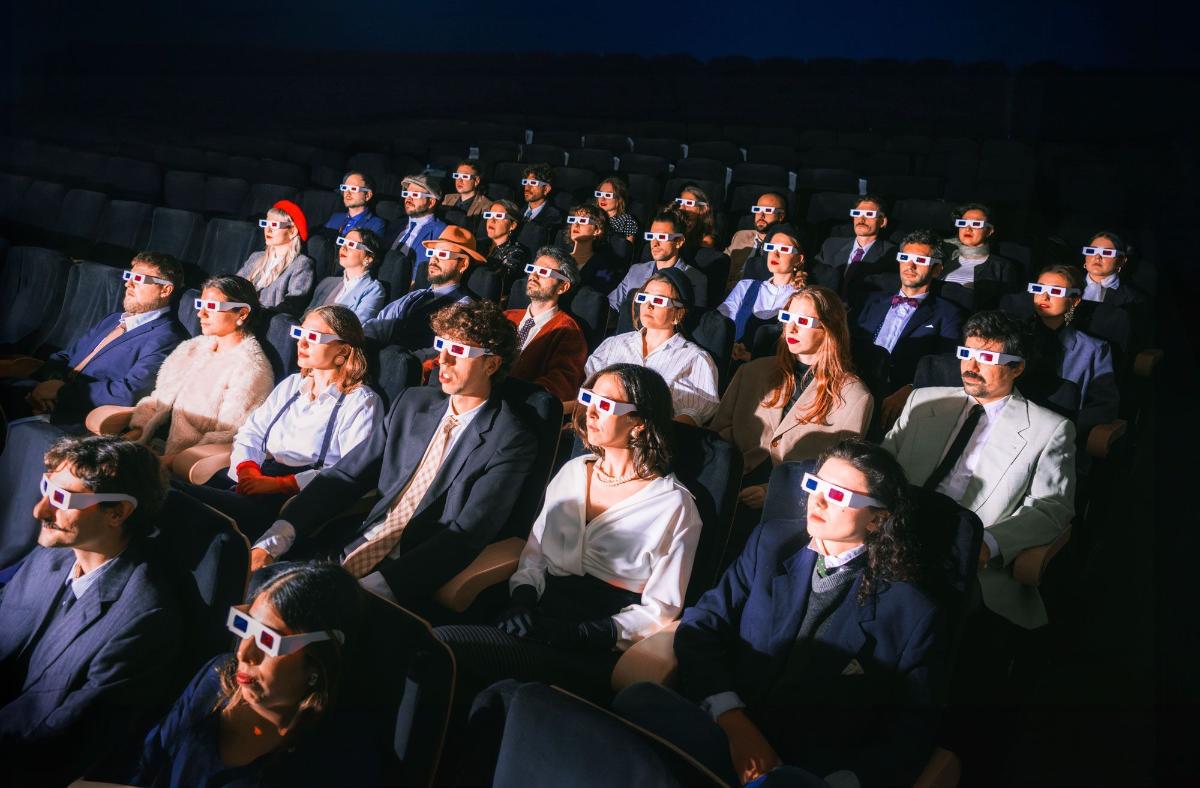
Figure 10. Domestic Data Streamers Team
Q12. 이 분야를 둘러싼 대화의 상당 부분은 가장 최신 모델이 무엇인지를 중심으로 짜입니다. 스튜디오의 가장 잘 알려진 작업은 다른 곳을 가리킵니다. 누가 셈에 포함되는지, 그리고 그 셈이 그들에게 무엇을 하는지를요. 앞으로를 내다볼 때, 인류는 무엇에 주의를 기울여야 한다고 생각하시나요?
Joana Bisbe | 답하기 어려운 질문입니다. 인류가 주의를 기울여야 할 단 하나의 무언가는 없으니까요. 그래서 대신 우리가 작업에서 집중하는 것, 사람들에게도 권하는 하나의 시선으로 답하려 합니다. "데이터 채집: 돌봄의 실천(Data Foraging: A Practice of Care)". 우리에게 이것은 특정한 주제가 아니라 세상을 바라보고, 그 안에서 움직이고, 관계 맺고, 이해하는 하나의 방식입니다.
기술은 우리에게 정보를 수집하고 처리하는 점점 더 강력한 방법을 주지만, 중요한 질문은 그대로 남아 있습니다. 우리는 무엇에 주의를 기울이기로 선택하는가, 그리고 왜? 데이터는 결코 중립적이지 않습니다. 모든 숫자 뒤에는 이해받아 마땅한 한 사람, 하나의 맥락, 하나의 기억, 하나의 현실이 있습니다.
그래서 우리는 데이터 추출의 대안으로서 데이터 채집을 이야기합니다. 세상에서 정보를 가져가는 것이 아니라, 세상과 관계를 맺는 것입니다. 존중하는 태도로 앎에 다가가고, 시간을 들이고, 주의 깊게 듣고, 복잡성을 제거할 대상이 아니라 보존할 대상으로 받아들이는 것을 뜻합니다.
작업을 하다 보면, 가장 의미 있는 통찰은 보통이라면 무시되었을 디테일에서 나오는 경우가 많습니다. 개인의 이야기, 감정, 모순, 그리고 살아낸 경험들. 이런 요소들이 세상에 대한 더 풍부한 이해를 만들어냅니다.
미래는 더 똑똑한 시스템을 만드는 것만이 아니라, 더 주의 깊은 인간이 되는 것이어야 합니다. 우리가 만드는 기술은 언제나 우리가 던지기로 선택한 질문을 반영할 것이고, 우리가 포함하기로 선택한 목소리와 주의를 기울이기로 선택한 이야기야말로 우리가 만들어갈 세상을 빚어내기 때문입니다.
Joana Bisbe | This is a complex question to answer, because there is no single thing humanity should be giving its attention to. So instead I will answer with the focus we give to our practice, a gaze that we encourage people to take: “Data Foraging: A Practice of Care.” For us, it is not a specific topic, but a way of looking, moving, relating to and understanding the world.
Technology gives us increasingly powerful ways to collect and process information, but the important question remains: what do we choose to pay attention to, and why? Data is never neutral. Behind every number there is a person, a context, a memory, a reality that deserves to be understood.
This is why we talk about data foraging as an alternative to data extraction. It is not about taking information from the world, but about building relationships with it. It means approaching knowledge with respect, spending time, listening carefully and accepting that complexity is something to preserve rather than eliminate.
In our work, we often see that the most meaningful insights come from the details that would normally be ignored: personal stories, emotions, contradictions and lived experiences. These elements create a richer understanding of the world.
The future should not only be about creating smarter systems, but about becoming more attentive humans. Because the technologies we build will always reflect the questions we choose to ask, and the voices we choose to include and the stories we choose to pay attention to are the ones that shape the world we create.
[인터뷰이]
Domestic Data Streamers 주아나 비스베 에스쿠데로(Joana Bisbe Escudero)
[인터뷰어]
APECAMP 확산 프로그램 책임연구원 이도현